
Smoke Shell
By Iron Nest Wiki Team · August 2026 · 8 min read
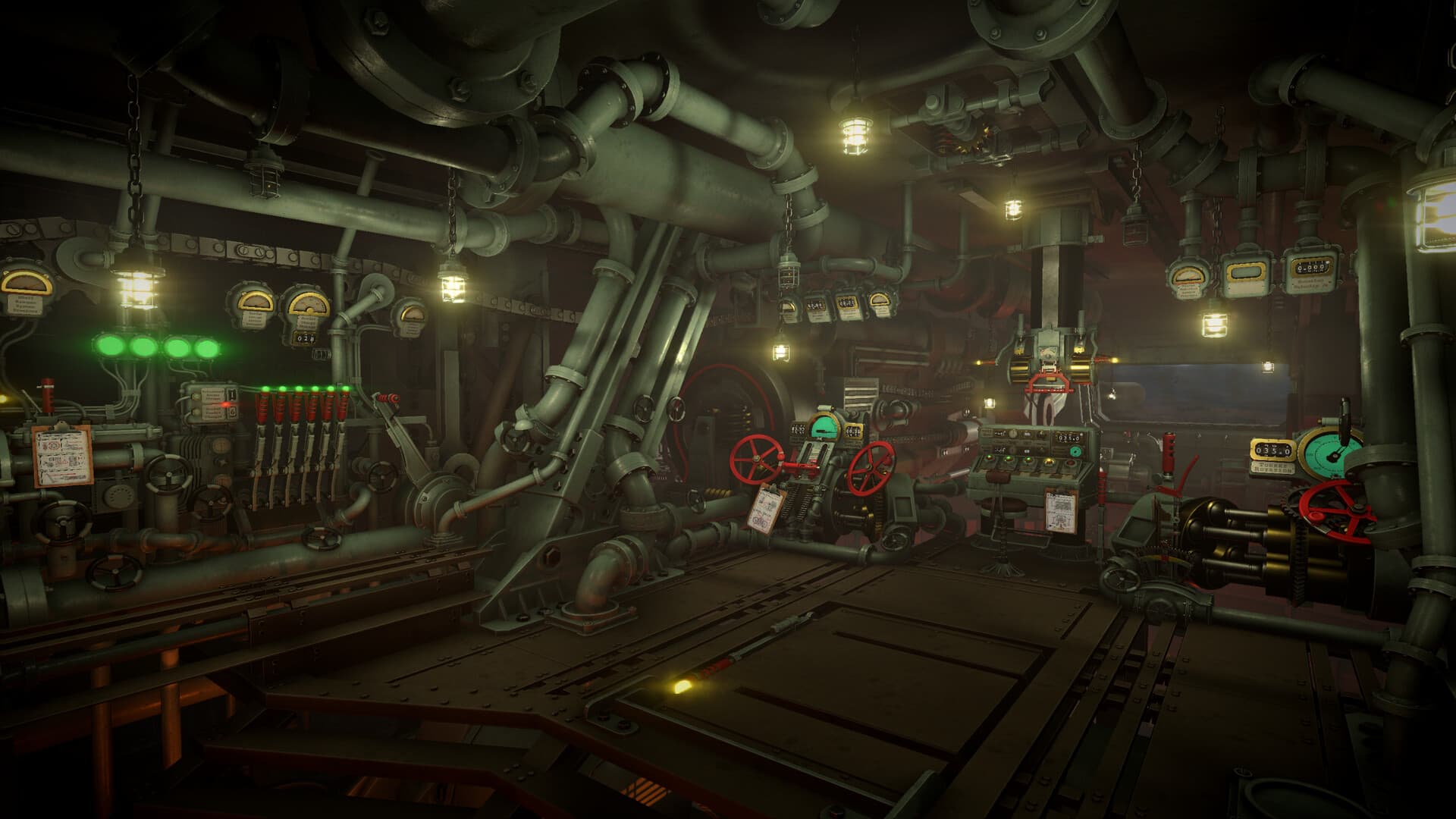
The Smoke Shell (SMK) is the only non-lethal ammunition in the IRON NEST arsenal, yet it is arguably one of the most tactically significant. With a 40-meter deployment radius and a 20-meter smoke cloud, SMK does not destroy targets — it denies the enemy the ability to see, track, and engage. In a game where every second of counter-battery exposure can end a mission, the ability to blind enemy observers, screen infantry advances, and cover turret repositioning is not merely useful; it is frequently mission-critical. Operators who dismiss smoke as a novelty or waste it on decorative battlefield effects are operators who have not yet experienced the betrayal of a well-placed enemy observer calling in precision fire.
IRON NEST officially confirms the existence and basic behavior of smoke ammunition through the firing-card system. The SMK task card is selectable in the Ballistic Calculator, displays charge-specific elevation data, and integrates with the full loading and firing cycle. This confirms SMK as a legitimate, functional shell type with observable in-game mechanics. However, significant aspects of smoke behavior remain undocumented by the developers and subject to community testing. The exact duration of the smoke cloud per charge, the interaction between wind speed and smoke drift, the visibility reduction percentage for enemy AI, and the behavior of smoke in enclosed spaces versus open terrain are all active areas of community investigation without official confirmation.
This guide presents all confirmed SMK mechanics alongside the best available community evidence. It covers specifications, tactical doctrine, timing strategies, coordination with other shell types, and the critical mindset shift required to treat smoke as a movement order rather than a defensive curtain. Mastering SMK separates competent operators from those who dominate the battlefield through control of visibility itself.
Specifications
Tactics & Usage
Smoke as a Movement Order
The most profound tactical insight for SMK deployment is reframing its purpose. Smoke is not a defensive curtain to hide behind. It is an indirect command tool that forces battlefield movement. When you fire smoke near allied infantry positions, the AI interprets the smoke cloud as a signal to reposition — moving away from the smoked area and toward safer ground. This transforms a single SMK round into a force-multiplier that simultaneously protects allies and creates separation between friendly and enemy forces.
The practical application is elegant: identify an allied unit that is dangerously close to an upcoming bombardment zone, fire SMK between the allies and the target (not on the target itself), wait for the repositioning to complete, and then engage the target with lethal ammunition. This sequence eliminates friendly-fire risk while maintaining tactical initiative. Operators who fire smoke directly on enemy positions expecting the cloud to “blind” the enemy often miss this allied-repositioning mechanic entirely, wasting the shell’s secondary effect.
Screening Infantry Advances
In missions where the objective includes advancing allied infantry across open ground under enemy observation, SMK is the difference between a successful push and a massacre. The doctrine is simple: fire a smoke barrage along the advance axis, timed so that the smoke cloud is fully developed when the infantry begins moving. The 15-second duration (community estimate) provides a narrow window — enough for a sprint across 50-80 meters of open terrain, but not enough for a leisurely stroll. Coordinate with the Tactical Map to identify the exact advance route, then place smoke at 30-meter intervals along that route.
For longer advances, chain multiple SMK rounds in sequence. The first shell creates the initial screen; the second extends it before the first dissipates. This requires precise timing and pre-calculation of both shells before the first is fired, because the reloading cycle must begin immediately after the first shot to maintain the screen. In cooperative missions, one operator can dedicate an entire barrel to smoke screening while the other handles lethal fire — a division of labor that maximizes both survival and offensive output.
Blinding Enemy Observers
Enemy Forward Observers (FOs) and artillery spotters are high-priority SMK targets. These units do not appear on the Tactical Map as direct threats, but they enable the counter-battery fire that ends missions. When the Teleprinter reports enemy observation posts or when counter-battery fire begins without an obvious source, firing SMK on suspected observer positions can blind the enemy’s targeting chain. The 20-meter smoke cloud is large enough to obscure multiple observation positions if they are clustered, and the low requisition cost makes this an efficient trade even when the exact observer location is uncertain.
The key is predictive placement, not reactive. Once counter-battery fire begins, it is often too late to smoke the observer — the firing solution is already transmitted. Instead, identify likely observer positions during the intelligence phase: hilltops, church towers, tall structures, and positions with clear line of sight to your turret. Pre-emptively smoking these positions before engaging primary targets denies the enemy the observation window needed to call in accurate return fire.
Covering Turret Repositioning
Turret repositioning is one of the most vulnerable moments in the IRON NEST firing cycle. While the traverse and elevation systems are in motion, the turret cannot fire, and the movement is visible to enemy observers. A well-timed SMK round fired before repositioning begins creates a 15-second window of invisibility during which the turret can rotate to a new firing angle without drawing counter-battery fire. The smoke does not need to obscure the turret itself — it only needs to obscure the line of sight from the most likely enemy observer positions.
This tactic is especially critical during the betrayal ending, where the requisition station closes after the first shot and every subsequent movement must be calculated without resupply. A single pre-planned SMK round can cover the repositioning needed to engage a second target, effectively doubling the turret’s offensive output in a resource-starved scenario. The low cost of SMK makes this a high-return investment even in missions with tight requisition budgets.
Timing and Wind Considerations
The 15-second smoke duration is a community estimate, not an official value. Operators should verify this timing on their specific platform build, as duration may vary with charge level or patch version. More critically, wind behavior affects smoke deployment in ways that remain completely undocumented. Community observations suggest that smoke clouds drift downwind at approximately 2-3 meters per second in moderate wind conditions, but the exact drift rate, the effect of wind speed on cloud density, and the behavior in gusting conditions are all unknown.
Until official documentation clarifies wind-smoke interaction, the conservative approach is to place smoke upwind of the target area by roughly 20-30 meters, allowing the drift to carry the cloud over the intended coverage zone. In high-wind missions (wind speed above 12 knots, where the Ballistic Calculator flags yellow warnings), smoke effectiveness may degrade significantly — the cloud may dissipate faster or drift beyond the target area before achieving useful density. In such conditions, consider multiple overlapping smoke rounds or alternative tactics such as star-shell illumination to maintain battlefield control.
Evidence Status
Confirmed Screening Ammunition — Duration, Wind and Visibility Mechanics Remain Undocumented
The SMK shell type is selectable in the Ballistic Calculator, appears in official ammunition task cards, and produces visible smoke clouds in-game. Its existence and basic screening function are confirmed. However, the following critical mechanics remain subject to community testing and lack official documentation:
- Exact smoke cloud duration per charge level (community estimate: 15 seconds)
- Wind drift rate and direction effect on smoke cloud movement
- Visibility reduction percentage for enemy AI within the smoke cloud
- Smoke behavior in enclosed spaces (tunnels, buildings) versus open terrain
- Interaction between multiple overlapping smoke clouds (stacking or diminishing returns)
- Effect of smoke on allied AI repositioning trigger radius and priority
Related Guides
- Best Shells Tier List — Understand SMK’s tactical niche alongside lethal ammunition
- Ballistic Calculator Guide — Calculate precise SMK firing solutions for screening placement
- Tips and Tricks — Advanced smoke-as-movement-order tactics and timing strategies
- High-Explosive Shell (HCHE) — The lethal counterpart to SMK; coordinate smoke screening with area-effect bombardment
Frequently Asked Questions
Does smoke deal any damage?
No. Smoke shells are purely non-lethal. The 40-meter deployment radius and 20-meter smoke cloud produce zero damage to any target class. Their purpose is sightline denial, allied repositioning signaling, and turret movement screening. Do not expect SMK to suppress, damage, or kill enemy units — that is the role of HE, HCHE, and AP.
How long does the smoke last?
The community estimates approximately 15 seconds per charge, but this is not officially documented. Duration may vary with charge level, wind conditions, or platform patch version. Operators should verify timing through in-game observation and report findings to the community wiki for aggregation.
Can enemies see through smoke?
The exact visibility reduction for enemy AI remains undocumented. Community observations suggest that enemies within the smoke cloud have significantly reduced accuracy and targeting speed, but may still fire blindly toward last-known positions. The smoke cloud does not appear to completely block enemy vision — it degrades it. For maximum protection, combine smoke with turret repositioning rather than remaining stationary within the cloud.
Should I smoke the enemy or my own position?
Neither, ideally. Smoke the space between allies and threats, or the approach routes you want allies to take. Smoking enemy positions directly is less effective than smoking the observation positions that enable enemy targeting. Smoking your own turret provides minimal benefit since the enemy can still fire at your last-known coordinates. The optimal SMK placement is predictive and interpositional, not defensive.