
High-Explosive Shell
By Iron Nest Wiki Team · August 2026 · 8 min read
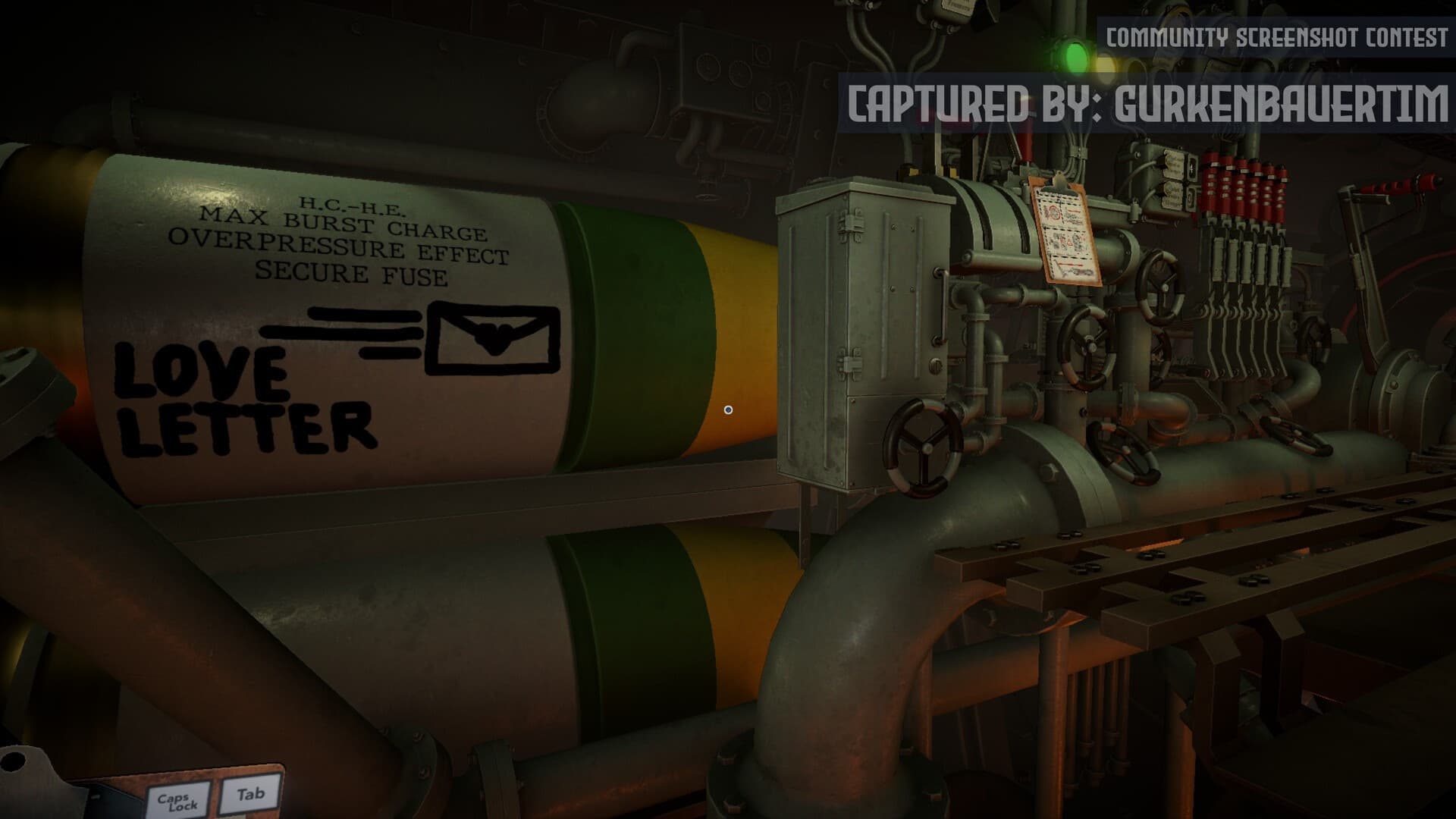
The High-Capacity High-Explosive Shell (HCHE) is the most destructive area-of-effect munition in the IRON NEST arsenal. With a blast radius of 30 meters — the widest of any lethal shell — HCHE transforms clustered enemy formations into smoking craters with a single well-placed salvo. It is not a general-purpose replacement for standard HE, nor is it a precision tool for hardened targets. HCHE occupies a unique tactical niche: the elimination of high-value grouped targets where the overpressure wave and fragmentation cone can decimate multiple objectives simultaneously.
IRON NEST officially confirms the HCHE label through the firing card system integrated into the Ballistic Calculator. The HCHE task card is selectable, displays charge-specific elevation data, and appears in the ammunition roster alongside AP, SMK, and other confirmed shell types. This confirms the shell’s existence and basic integration with the firing cycle. However, the exact effect profile — the precise damage falloff curve within the 30-meter radius, the interaction with different terrain types, and the overpressure kill threshold against various target classes — remains partially unverified. Community testing has established broad behavioral patterns, but granular damage mechanics await further documentation.
This guide synthesizes all confirmed HCHE information with the best available community evidence. It covers specifications, strategic doctrine, charge selection, target matching, and the disciplined mindset required to avoid wasting this premium requisition asset on targets that standard HE or AP would handle more efficiently.
Specifications
Tactics & Usage
Strategic Deployment, Not Default Loading
The most common mistake with HCHE is treating it as a default shell. Operators unlock HCHE mid-campaign, become enamored with its massive blast radius, and load it for every target classification. This is wasteful. HCHE carries a premium requisition cost that depletes reserves faster than standard HE, and its overkill against single soft targets represents a net loss in mission efficiency. The correct doctrine is strategic reserve: identify missions with high-value clustered targets, pre-plan HCHE shots for those specific engagements, and revert to standard HE or AP for all other objectives.
A “high-value clustered target” is any mission objective where the Tactical Map shows three or more enemy units within a 30-meter radius, or where the Teleprinter designates a “grouped formation” or “convoy cluster.” The “Siege of Cartagena” mission features multiple such clusters — infantry advancing in column formation along narrow corridors, supply convoys bunched at intersections, and artillery batteries parked in tight emplacements. These are HCHE scenarios. A single shell eliminates what would otherwise require three or four standard HE rounds, justifying the premium cost through ammunition savings and reduced exposure time under counter-battery fire.
Exploiting the Overpressure Wave
The 30-meter blast radius is not merely fragmentation spread. HCHE generates a massive overpressure wave that devastates anything within range, including targets behind light cover. Community testing suggests that the overpressure kill zone extends slightly beyond the visible blast radius, catching troops in trenches, behind sandbag walls, or inside lightly fortified positions that would survive standard HE. This makes HCHE particularly effective against dug-in infantry clusters where standard HE would only suppress without eliminating.
However, the overpressure wave is not magical. Reinforced concrete, bunker walls, and armored vehicle hulls absorb the blast without significant damage. HCHE performs poorly — sometimes worse than standard HE — against hardened targets because the energy disperses across the wide radius rather than concentrating on penetration. Never use HCHE against bunkers, armored vehicles, or reinforced structures. The shell will detonate, the blast will look impressive, and the target will remain operational.
Charge Selection and Range Bands
HCHE follows the same ballistic calculator formula as other shell types: Elevation = Distance × 0.012 / Number of Charges. However, the optimal charge for HCHE differs from AP because the tactical goal is area coverage rather than precision penetration. Charge 3 is the sweet spot for most HCHE engagements — it delivers sufficient range for typical clustered targets (4-8 km) while keeping the elevation angle moderate and the flight time short. Shorter flight time means less wind drift and faster impact, reducing the chance that the cluster disperses before the shell arrives.
Charge 4 extends the effective range to 10 km and beyond, but the steeper elevation angle increases flight time and wind sensitivity. Reserve charge 4 for distant convoys or artillery batteries that cannot be engaged at closer range. Charge 5 and 6 are rarely justified for HCHE because the extreme range engagement of clustered targets is uncommon — by the time targets are visible at 12+ km, they are usually dispersed enough that the 30-meter radius no longer covers multiple objectives.
Coordination with Smoke and Spotting
HCHE missions benefit enormously from pre-engagement spotting. A star shell fired before the HCHE salvo illuminates the target cluster, confirms the exact centroid for aiming, and reveals any last-second dispersion. In cooperative missions, one operator can spot with a star shell while the other calculates and fires HCHE. The 15-second illumination window of a star shell aligns well with the HCHE loading and calculation cycle.
Smoke shells (SMK) also complement HCHE tactics, but in a counterintuitive way. Rather than smoking the target, smoke the approach routes or observation positions. This prevents enemy spotters from calling in counter-battery fire while your HCHE salvo is in flight. The 15-second smoke duration covers the flight time of most HCHE shots at charge 3, buying a window of safety that standard HE engagements cannot justify due to their lower per-shot value.
Evidence Status
Confirmed HCHE Label — Exact Effect Profile Requires Verification
The HCHE shell type is selectable in the Ballistic Calculator and appears in official ammunition task cards. Its existence and basic integration with the firing cycle are confirmed. However, the following aspects remain subject to community verification and testing:
- Precise damage falloff curve within the 30-meter blast radius
- Overpressure kill threshold against various target classes (infantry, light vehicles, dug-in positions)
- Interaction with terrain types (urban rubble, forest canopy, open field)
- Performance against hardened targets compared to standard HE
- Exact requisition cost multiplier relative to standard HE
Related Guides
- Best Shells Tier List — Compare HCHE against AP, chemical, and incendiary rounds
- Ballistic Calculator Guide — Master charge-elevation coupling for HCHE firing solutions
- Tips and Tricks — Advanced area-effect tactics and dual-gun coordination
- Smoke Shell (SMK) — Screen HCHE engagements and cover turret repositioning
Frequently Asked Questions
Is HCHE better than standard HE for all targets?
No. HCHE is specifically designed for clustered formations where the 30-meter blast radius eliminates multiple targets per shot. Against single soft targets, standard HE is more cost-effective. Against hardened targets like bunkers or armored vehicles, AP is the correct choice. HCHE is a specialist round, not a default replacement.
What is the exact requisition cost of HCHE?
The official cost is listed as “premium” in the ammunition roster, but the exact point value relative to standard HE remains unverified. Community estimates suggest 15-20 requisition points per shell compared to 10 for standard HE, but this should be confirmed through in-game testing on your specific platform build.
Does HCHE damage friendly units?
Yes. The 30-meter blast radius does not discriminate. Friendly infantry, allied vehicles, and even your own turret if positioned too close can suffer damage from HCHE detonation. Always verify friendly positions on the Tactical Map before firing HCHE, and use smoke shells to screen allied advances before launching area-effect salvos.
Can HCHE destroy bunkers?
No. HCHE disperses its energy across a wide radius rather than concentrating on penetration. Against reinforced concrete bunkers, HCHE may suppress occupants through overpressure but will not achieve structural destruction. Use AP for bunker-breaching, or standard HE for suppression if AP is unavailable.